21 November

Born in 1694 – Voltaire, French writer and philosopher.

“What we find in books is like the fire in our hearths. We fetch it from our neighbors, we kindle it at home, we communicate it to others, and it becomes the property of all.”

Previously: Voltaire

20 November

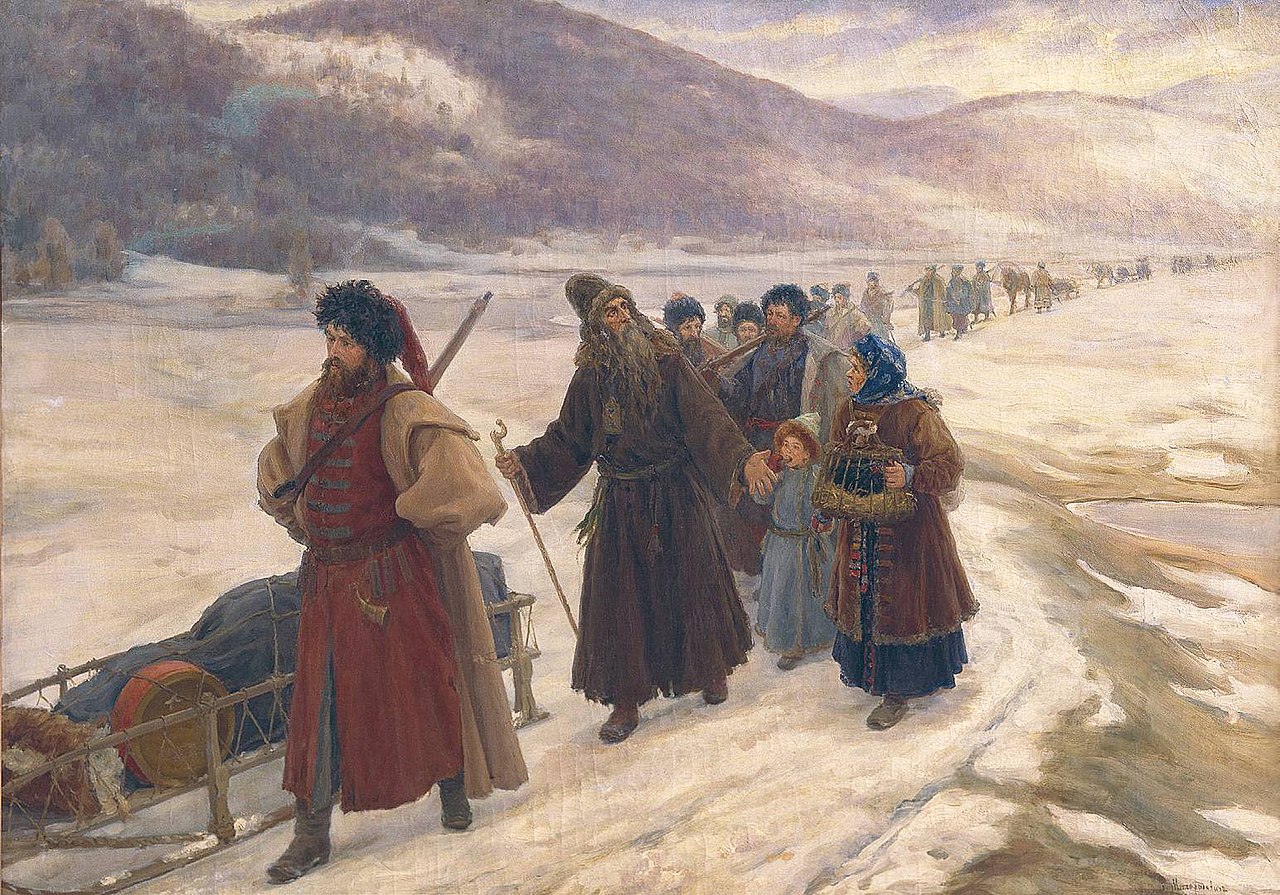
Born in 1620 – Avvakum, Russian priest, saint, and Old Believer.

Above: Avvakum’s Exile in Siberia (1898), by Sergey Miloradovich. The priest and other Old Believers were exiled for opposing Patriarch Nikon’s reforms of the Russian Orthodox Church. (Note the caged hen around the neck of Avvakum’s wife.)

From autobiography, Life of the Archpriest Avvakum, the priest recounts the return from exile: “We had a good little black hen. By God’s will she laid two eggs a day for our little ones’ food, easing our need. That’s how God arranged it. During that time she was crushed while riding on a dogsled, because of our sins. And even now I pity that little hen when she comes to mind. Not a hen nor anything short of a miracle she was – the year round she gave us two eggs a day! Next to her a hundred rubles aren’t worth spit, pieces of iron! That little bird was inspired, God’s creation. She fed us, and there at our side she’d peck the pinebark porridge right out of the spot, or if some fish came our way, then she’d peck at a little fish. And against this she gave us two eggs a day! Glory be to God, who hath arranged all things well!!”

Also: Sister Corita Kent, here and here.

16 November

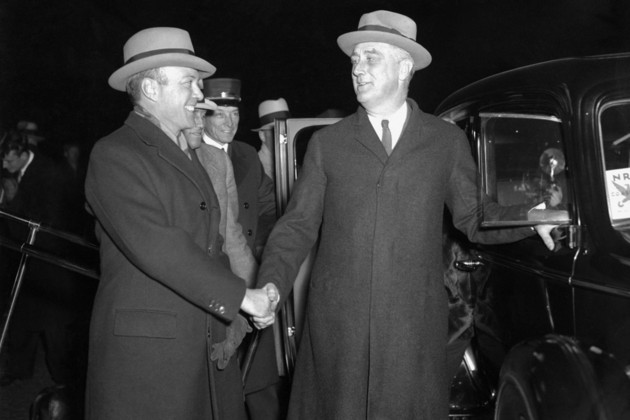
In 1933, the United States and the Soviet Union established formal diplomatic relations.

Above: President Franklin D. Roosevelt greets the new U.S. ambassador to the Soviet Union, William Bullitt, on Nov. 17, 1933.

14 November

Born in 1840 – Claude Monet, French painter.

“The richness I achieve comes from nature, the source of my inspiration.”

Above: Detail of Waterlilies, 1914-1915. From the collection of the Portland Art Museum

Previously: Monet

11 November

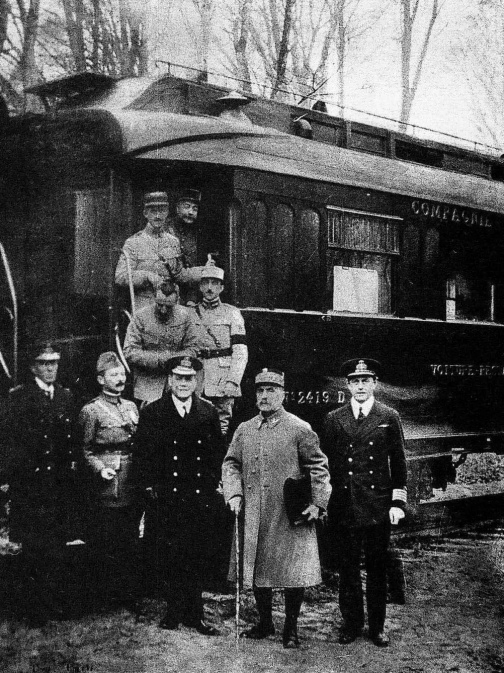
In 1918, an armistice that ended fighting between the Allies and Germany in World War I was signed in a railroad car in the forest of Compiègne.

Also born on this day, Kurt Vonnegut, who wrote:

“I will come to a time in my backwards trip when November eleventh, accidentally my birthday, was a sacred day called Armistice Day. When I was a boy…all the people of all the nations which had fought in the First World War were silent during the eleventh minute of the eleventh hour of Armistice Day, which was the eleventh day of the eleventh month.

It was during that minute in nineteen hundred and eighteen, that millions upon millions of human beings stopped butchering one another. I have talked to old men who were on battlefields during that minute. They have told me in one way or another that the sudden silence was the Voice of God. So we still have among us some men who can remember when God spoke clearly to mankind.

Armistice Day has become Veterans Day. Armistice Day was sacred. Veterans Day is not.

So I will throw Veterans Day over my shoulder. Armistice Day I will keep. I don’t want to throw away any sacred things.”

8 November

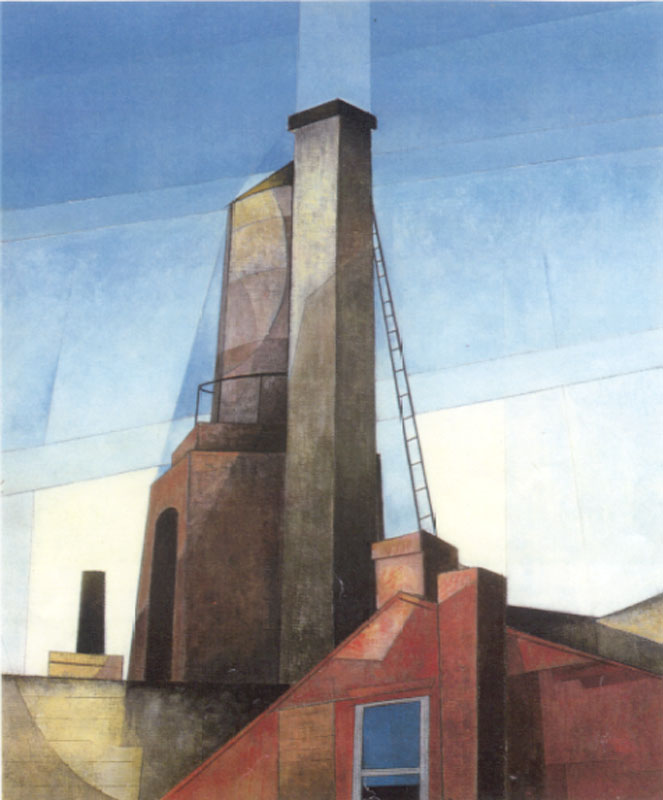
Born in 1883 – Charles Demuth, American painter.

Above: Aucassin and Nicolette (1921)

Also: Dorothy Day, who said “The greatest challenge of the day is: how to bring about a revolution of the heart, a revolution which has to start with each one of us?”

6 November

Born in 1861 – James Naismith, Canadian-American physician and educator, invented basketball.

“The best definition of character I know: That combination of reflexes within which determine how one will act under unforeseen circumstances. The reflexes you build on the floor are going to become part of your character.”

Also: Derrick Bell